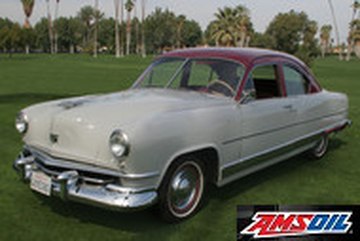
Lubrication Maintenance for the 1981 Mercury CAPRI 2.3L
Maintaining a vehicle from the early 1980s requires a shift in perspective compared to modern automotive care. For owners of a 1981 Mercury CAPRI equipped with the 2.3L engine, routine lubrication service is one of the most effective ways to manage the mechanical health of the powerplant. While many modern vehicles rely on highly automated systems and long-life fluids, older engines benefit significantly from consistent monitoring and proactive attention to fluid integrity.
Monitoring Fluid Condition and Consumption
One of the primary responsibilities in maintaining an older engine is observing how it uses its lubricants. Over time, changes in how an engine consumes oil can provide important clues about its internal state. It is helpful to monitor the level of the lubricant regularly, as unexpected drops in level may indicate that the engine is consuming more fluid than usual.
When checking the condition of the oil, look for changes in color or texture. While oil naturally darkens as it undergoes thermal cycles and collects microscopic debris, an extremely rapid change in appearance or a presence of unusual odors can warrant further investigation. If you notice any significant changes in how the engine operates or if you observe unexpected fluid loss, these symptoms should be investigated to determine the underlying cause. It is important to remember that various factors—ranging from operating temperature to environmental conditions—can influence these observations, so consistent monitoring is more useful than a single check.
Observing Potential Warning Signs
Effective maintenance involves recognizing when a vehicle requires closer inspection. For the 1981 Mercury CAPRI, certain indicators can suggest that the lubrication system or related components need attention. While these signs do not definitively diagnose a specific part failure, they serve as essential prompts for professional evaluation.
- Visible Seepage: Inspecting the area around the engine for any signs of fluid seepage can help identify aging gaskets or seals. Even small amounts of moisture near sealing surfaces should be noted during routine inspections.
- Changes in Engine Sound: Any new or unusual mechanical noises that coincide with engine operation may be associated with lubrication changes or component wear.
- Exhaust Observations: While exhaust color can be influenced by many factors, certain visual changes in the exhaust stream may indicate that oil is entering the combustion process and should be investigated.
- Dashboard Indicators: If the vehicle is equipped with oil-related warning lights, any illumination of these indicators requires immediate attention to prevent potential damage.
Because many different issues can produce similar symptoms, it is best to treat these signs as indicators for a thorough inspection rather than jumping to conclusions about which specific component has failed.
Prioritizing Long-Term Engine Care
As vehicles age, the strategy for maintenance often shifts from strictly following a schedule to managing the actual condition of the components. For an owner of a 1981 Mercury CAPRI, establishing a baseline of the vehicle's current state is a practical way to prioritize future work.
If you do not have a complete service history for the vehicle, your first priority should be to document its current condition. This includes noting any active leaks, the frequency of fluid top-offs, and the general cleanliness of the engine bay. By keeping a detailed record of when fluids are changed and what observations are made during inspections, you create a roadmap for future maintenance. This documentation helps distinguish between routine preventive tasks and necessary repairs that arise from the natural aging of materials.
When deciding where to allocate maintenance resources, address active concerns first. A small, manageable seepage is often easier to handle than a significant leak that has gone unnoticed. Similarly, addressing minor changes in fluid consumption early can prevent more complex mechanical issues later on. This condition-based approach ensures that you are responding to the actual needs of your specific engine rather than making assumptions based solely on the age of the vehicle.
Inspecting Aging Components and Connections
Beyond the oil itself, several peripheral components play a role in the overall health of the 2.3L engine. During routine service, it is beneficial to perform a visual inspection of various parts that are subject to heat and vibration.
If equipped, inspect accessible drive belts for signs of deterioration such as cracking, glazing, or fraying. Similarly, if the vehicle has various rubber hoses present, check them for signs of hardening, swelling, or surface cracks. Electrical connections and wiring should also be inspected for any signs of brittleness or corrosion, as secure electrical paths are vital for consistent engine performance. Even if these components appear functional, a periodic visual check can help identify aging materials before they lead to unexpected service interruptions.
Effective Record Keeping for Ownership
For long-term ownership, the most valuable tool is a well-maintained service log. For a 1981 Mercury CAPRI, this should include more than just dates and mileages. Recording the specific types of lubricants used, the brands of filters installed, and any observations made during inspections provides a clear picture of the engine's history. This level of detail is particularly useful if you ever need to consult a mechanic, as it allows them to see patterns in how the vehicle has been treated over time. Consistent records help ensure that maintenance remains proactive rather than reactive.
Practical Guidance for Buying Engine Oil for your 1981 Mercury CAPRI 2.3L
When you are ready to replenish your engine's lubricant, it is essential to select a product that aligns with the specific requirements of your application. Rather than relying on general automotive trends or assumptions about older engines, always match the engine oil to the application-specific viscosity information already displayed on this page.
When selecting a product, consider the following practical steps:
- Verify the Label: Always check the product packaging to ensure it meets the necessary quality standards and certifications.
- Evaluate Formulations: Depending on your specific needs, you may choose between conventional, synthetic blend, or full synthetic oils. Some high-mileage oil formulations also contain additives intended for use in aging engines, including seal-conditioning additives.
- Avoid Assumptions: Do not assume that a modern oil grade is the only option, but do ensure that whatever you select provides the protection required by your engine's current condition.
By following the specific viscosity and application guidance provided in the technical data above, you can ensure that your 1981 Mercury CAPRI 2.3L receives the appropriate lubrication for continued operation.